


The Ca/Ca technology used in Wezer batteries is one of the modern approaches to improving lead-acid current sources by modifying the chemical composition of the electrode arrays. In classical battery designs, antimony was used as alloying components, but its use was accompanied by a number of negative effects, including increased gas emission, accelerated self-discharge, and the need for regular maintenance. The transition to calcium alloys has become an important stage in the development of storage technologies, making it possible to significantly improve the operational characteristics of batteries.
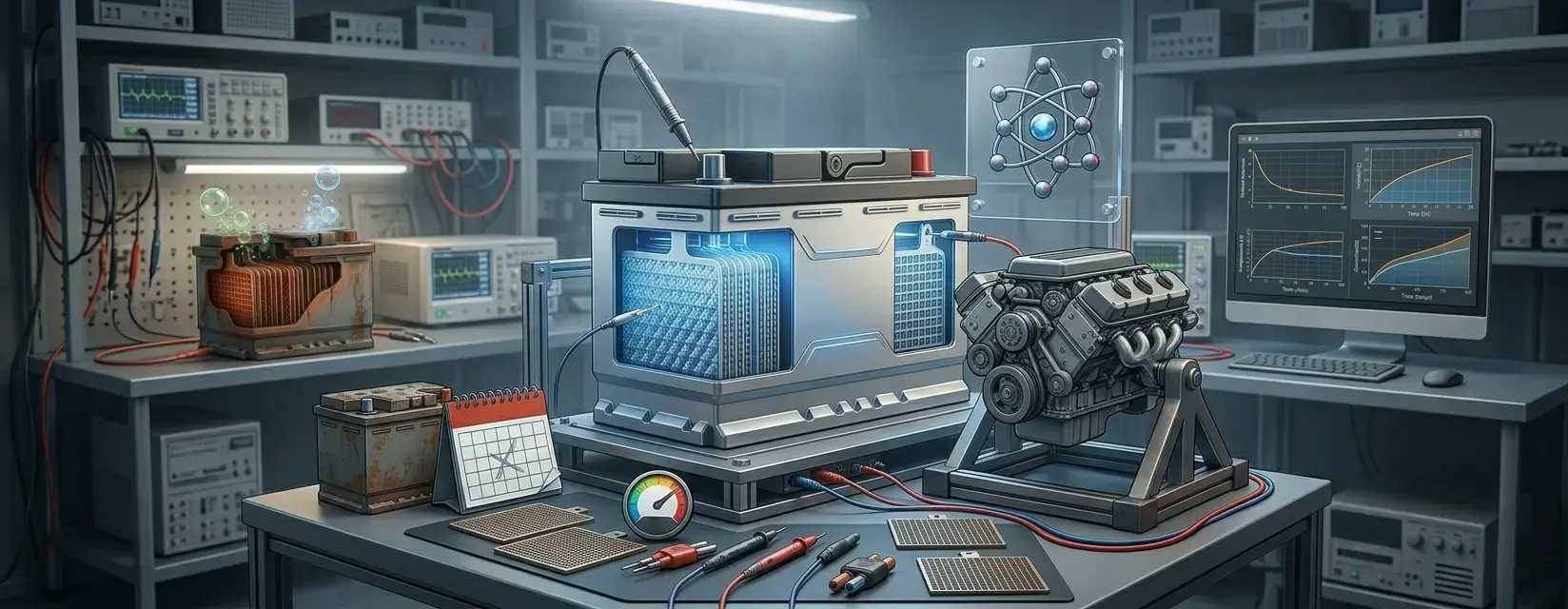
The essence of the Ca/Ca technology is the use of lead-calcium alloys for both positive and negative gratings. The addition of calcium in small concentrations changes the crystal structure of the metal, increasing its corrosion resistance and mechanical strength. This is especially important in conditions of long-term operation, when the electrodes are subjected to multiple charge-discharge cycles and exposure to an aggressive electrochemical environment. In Wezer batteries, the use of this technology makes it possible to reduce the intensity of degradation processes and increase the stability of operating parameters.
Key Advantages of Ca/Ca Technology
- Significant Reduction in Gas Emissions: In traditional batteries with antimony gratings, water electrolysis begins at low voltages, leading to intensive release of hydrogen and oxygen. Calcium alloys are characterized by a higher overvoltage of hydrogen release, suppressing electrolysis. This minimizes electrolyte evaporation and allows for hermetic designs that do not require refilling water during the entire service life.
- Reduced Self-Discharge: Internal parasitic currents depend significantly on the alloy composition. Calcium gratings have a more stable structure and a lower tendency to form local galvanic pairs, leading to a decrease in charge losses during storage. This is especially important for backup power systems or vehicles with irregular operation.
- Corrosion Resistance: The addition of calcium contributes to the formation of a more stable oxide film on positive electrodes, slowing down metal oxidation. As a result, the service life of the gratings increases and the likelihood of mechanical failure of the plates decreases.
- Improved Electrical Characteristics: Improved conductivity of the gratings and an optimized active mass structure result in lower internal resistance. In Wezer batteries, this ensures the ability to produce high currents for reliable engine start-up even under adverse temperature conditions.
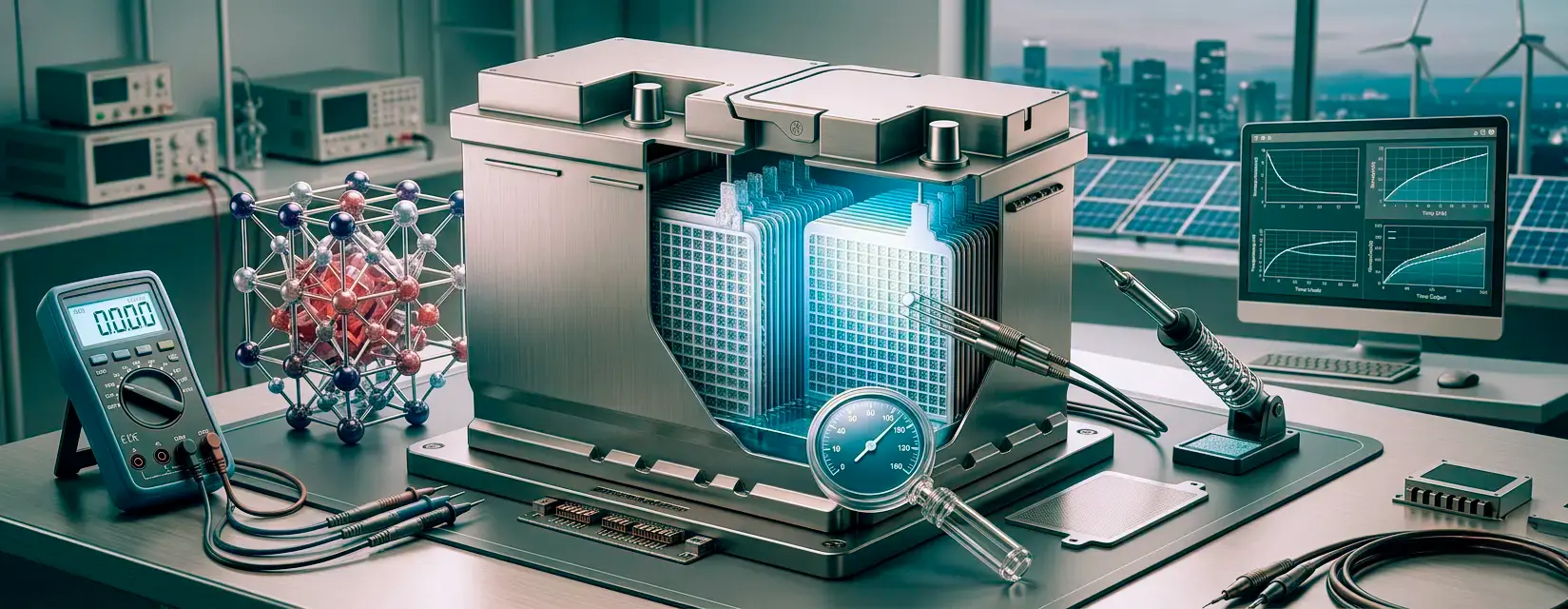
Operating Requirements and Considerations
Despite the obvious advantages, Ca/Ca technology places increased demands on operating conditions:
- Sensitivity to Deep Discharges: With a significant decrease in the charge level, accelerated sulfation of the plates occurs. In calcium alloys, this sulfation is more difficult to reverse, which can lead to premature loss of capacity if the battery is not handled correctly.
- Precise Voltage Control: Calcium batteries require more accurate charging voltage. Insufficient voltage leads to chronic undercharging, while excessive voltage can initiate gas release and accelerate degradation. Using charging systems with stable, correctly set parameters is necessary to realize the full benefits of the technology.
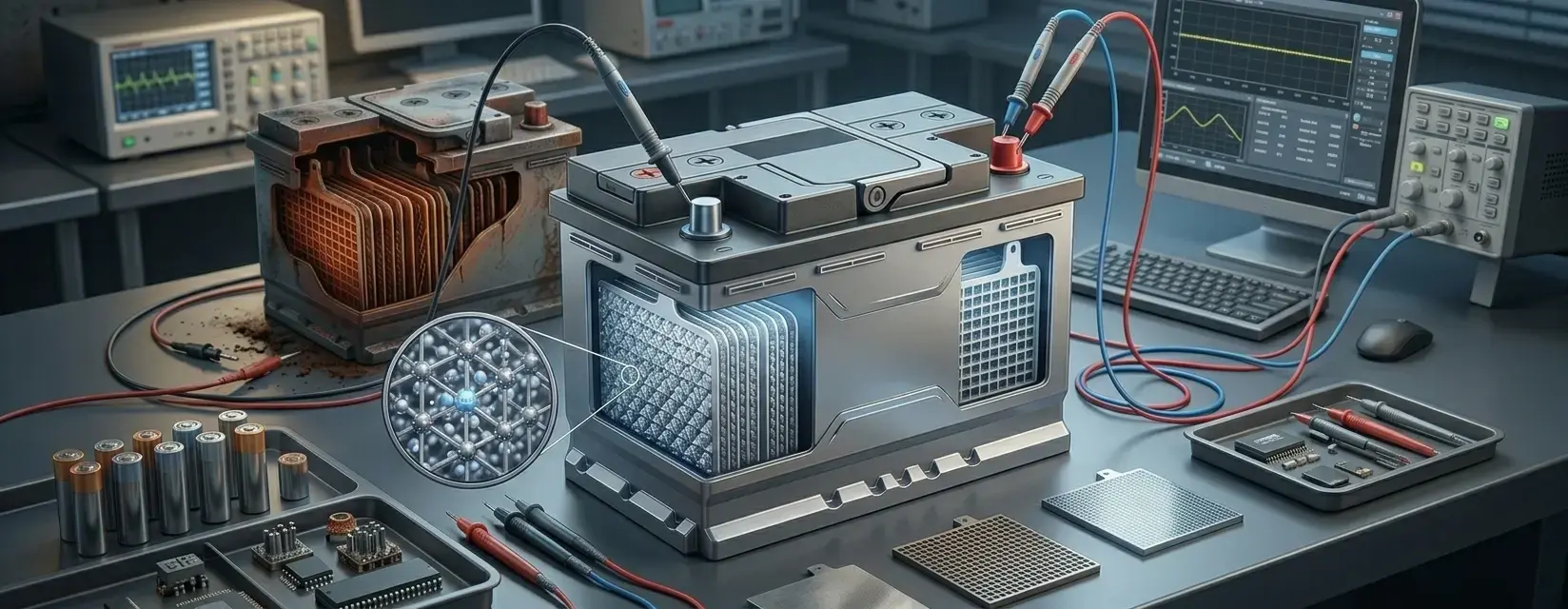
Thus, the Ca/Ca technology in Wezer batteries is an engineering solution aimed at improving reliability, reducing operational losses, and extending the service life of lead-acid batteries. Its use allows for an optimal balance between electrical characteristics and durability. When used correctly, these batteries demonstrate high parameter stability, low self-discharge, and minimal maintenance requirements, making them an effective solution for a wide range of technical tasks.